The Real Return on an Always-On Lead Generation System: What Businesses Are Discovering
Businesses running always-on AI lead generation systems are reporting stronger pipelines, lower cost-per-lead and more consistent revenue than ever before.

The businesses winning right now are not the ones working harder at lead generation, they are the ones who have made it structural. An always-on system does not sleep, does not forget to follow up, and does not have a bad quarter.The Agency
Get your business scored out of 10 and your three fastest moves
Get my free Company Report 30 seconds, free. Mapped to your numbers.Businesses that have moved from campaign-based outreach to always-on AI lead generation systems are finding something that no single campaign can reliably deliver: a pipeline that refills itself. The return is not just measured in more leads. It shows up in more predictable revenue, shorter sales cycles, reduced cost-per-acquisition and a sales team that spends its time closing rather than prospecting. In August 2026, this shift has moved from early adopter territory to a genuine competitive divide, and the gap between businesses that have made it and those still relying on manual effort is becoming harder to ignore.
Why the Always-On Model Changes the Economics of Lead Generation
For most businesses, lead generation has historically been a campaign activity. You plan a push, run ads or outreach for a period, collect whatever leads come in, and then the pipeline thins out again while you prepare the next effort. This model creates an uneven rhythm that is exhausting to maintain and almost impossible to grow without adding headcount or budget every single time you want more results.
The always-on model breaks that cycle entirely. Rather than relying on a series of bursts, it establishes a continuous background process, powered by AI agents, that attracts, qualifies and nurtures potential customers every day without requiring a manual restart. The economics shift as a result. Your cost per lead does not spike and crash with each campaign. Your pipeline does not empty between pushes. And your sales team is not left waiting for the next batch of enquiries while management scrambles to fund another round of ads.
When lead generation becomes structural rather than episodic, the entire business starts to operate differently. Revenue planning becomes more grounded because the flow of new opportunities is more consistent. Hiring decisions become clearer because growth is driven by closing capacity rather than prospecting capacity. And the compounding effect of a system that learns and improves over time means results tend to strengthen rather than plateau.
What AI Agents Actually Do Inside a Lead Generation System
The phrase AI lead generation can mean very different things depending on who is using it, so it is worth being specific about what a well-built always-on system actually does in practice.
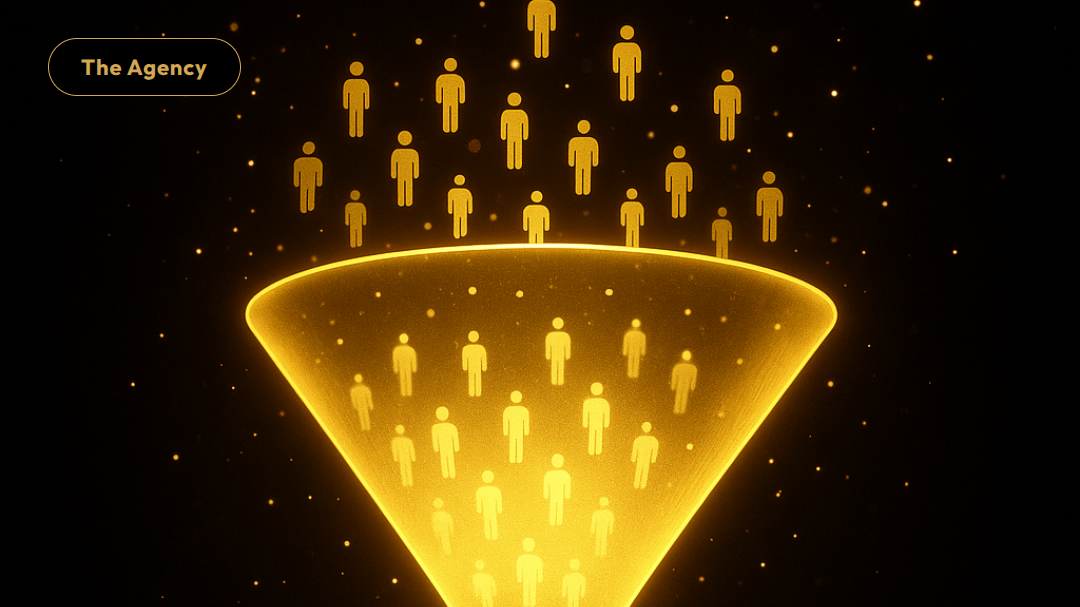
At the top of the funnel, AI agents handle prospecting. They identify potential customers based on the criteria that matter to your business, whether that is industry, company size, role, behaviour signals or a combination of factors. They do this continuously, not once a quarter when a human sits down to build a list. The pool of prospects being worked is always current and always relevant.
Further into the process, AI agents manage personalised outreach and follow-up. This is where most manual systems fall apart. Humans run out of time to follow up consistently, especially with prospects who do not respond immediately. AI agents do not have that limitation. They follow up at the right intervals, with messages that reflect where a prospect is in the process, and they do so at a volume that no human team could realistically match without significant cost.
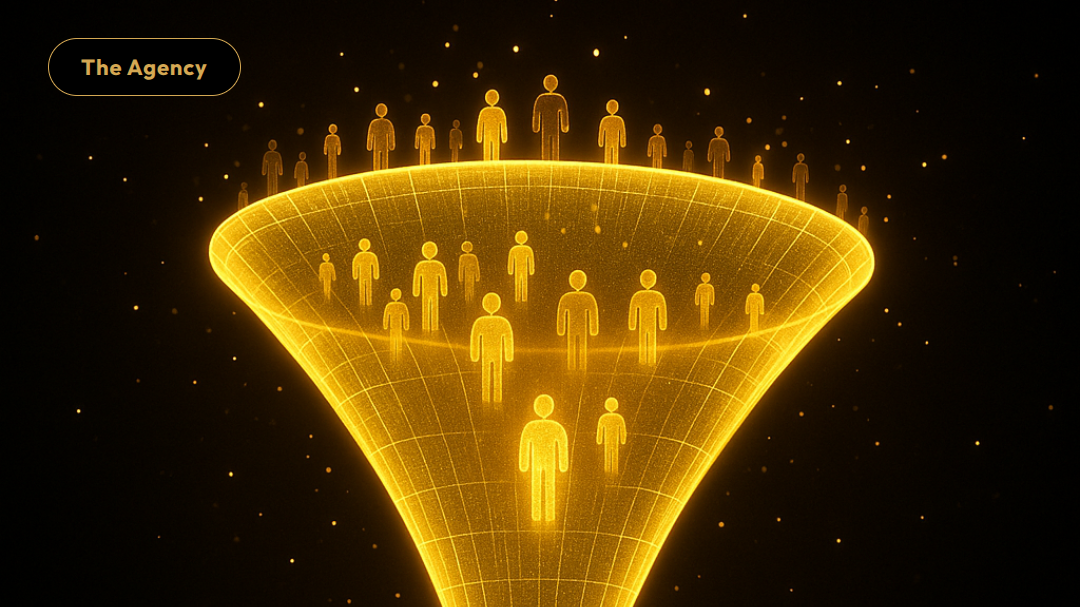
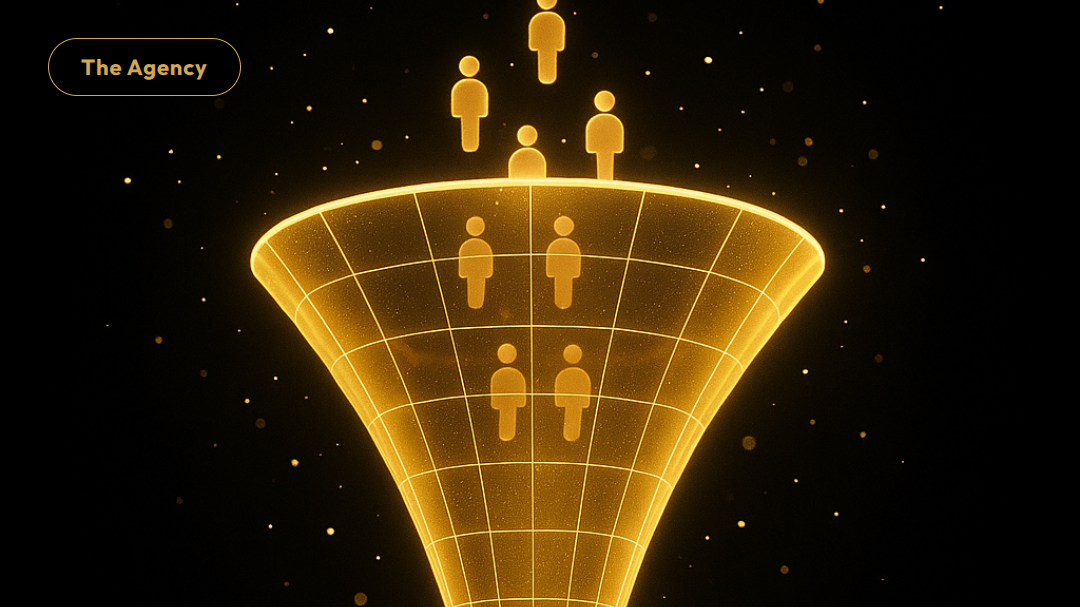
Qualification happens in parallel. Rather than passing every contact to a salesperson and letting them discover the fit themselves, AI agents are configured to ask the right questions, assess responses and route only the genuinely promising prospects forward. The result is a sales team that is spending its time on people who are actually worth talking to, which has a significant effect on both morale and conversion rates.
The Compounding Advantage That Campaigns Cannot Match
One of the most important and least discussed benefits of an always-on AI lead generation system is the compounding effect it produces over time. A single campaign generates data and then that data sits unused until someone has time to analyse it. An always-on system is continuously learning from every interaction, every response, every booking and every rejection.
Over weeks and months, this means the system becomes progressively better at identifying which prospects are likely to convert, which messaging is most effective for different audiences and which parts of the process are causing drop-off. The return improves without requiring proportionally more investment. That is a fundamentally different dynamic from campaign-based lead generation, where you are essentially starting from scratch each time and hoping your assumptions have improved.
For businesses in competitive markets, this compounding advantage becomes a structural moat. A competitor who is still running manual outreach campaigns is not just slower today. They are falling further behind every month as your system accumulates intelligence and refines its approach. The gap does not stay constant. It widens.
This is why the businesses that move earliest to an always-on model tend to find themselves in a position that is increasingly difficult for later movers to close. The data advantage, the process refinement and the pipeline stability all reinforce each other over time.
Revenue Consistency: The Outcome That Changes Everything
Ask any business owner or revenue leader what they actually want from lead generation and the answer is rarely simply more leads. What they want is predictability. They want to know, with reasonable confidence, that next month's pipeline will be similar to this month's, that they can plan hiring decisions based on expected growth and that they will not be in a position where a slow quarter threatens the business.
Always-on AI lead generation systems deliver that consistency in a way that campaigns simply cannot. Because the system is running continuously, the pipeline does not have the peaks and troughs that characterise campaign-dependent businesses. There is no post-campaign slump, no waiting for the next push to be approved and funded, no gap in new opportunities while the team is busy servicing existing clients.
This revenue consistency has knock-on effects throughout the business. It makes cash flow more manageable. It makes growth planning more credible. It makes the business more attractive to investors or acquirers who want to see predictable, repeatable revenue rather than lumpy results driven by periodic activity. And it reduces the stress on leadership that comes from constantly wondering where the next clients are coming from.
For businesses that are serious about sustainable growth, the shift to an always-on lead generation model is not an upgrade to their marketing, it is a structural change to how revenue works inside their business.
What a Properly Built System Looks Like
Not all always-on lead generation systems are created equal, and it is worth understanding what separates one that delivers consistent results from one that generates noise without genuine commercial return.
The foundation is clarity about who you are trying to reach and what a qualified lead actually looks like for your business. AI agents are only as good as the criteria they are working with. A system that is targeting too broadly will fill your pipeline with contacts that waste your sales team's time. A system with precise, well-defined qualification criteria will deliver a smaller but significantly more valuable flow of genuine opportunities.
The second component is the quality of the outreach and follow-up sequences. Personalisation that feels genuine, timing that reflects the prospect's behaviour and messaging that speaks to real business problems rather than generic benefits are all essential. AI agents can deliver this at volume, but the strategic thinking behind the messaging still needs to be strong.
The third is the handoff to your sales team. The point at which an AI agent passes a prospect to a human is critical, and it needs to be designed carefully to ensure that the conversation picks up naturally rather than feeling like the prospect has been transferred to a different process entirely.
Businesses looking to understand how this applies to their specific situation and market can explore a custom AI lead generation strategy built around their goals, customer profile and existing sales process.
The Real Return, Measured Honestly
The return on an always-on AI lead generation system is real, but it is important to be honest about how it should be measured and over what timeframe.
In the short term, the most visible changes are typically in pipeline volume and the consistency of new enquiries. Businesses that previously relied on referrals or sporadic campaigns find that they have a steady flow of new conversations starting, which alone changes the confidence with which they can plan and invest.
Over the medium term, the return shows up in cost efficiency. As the system refines its targeting and the qualification process matures, the cost of acquiring a new customer tends to fall. You are reaching more of the right people and fewer of the wrong ones, which means less wasted effort across the entire sales process.
Over the longer term, the compounding advantage becomes the most significant part of the return. The businesses that implement these systems and commit to them for twelve months or more are in a genuinely different competitive position from those that have not. Their pipeline is deeper, their data is richer and their ability to grow without proportionally increasing costs is significantly stronger.
In August 2026, the question for most businesses is no longer whether AI lead generation systems work. The evidence from businesses across industries is clear enough. The question is how much longer it makes sense to wait before building one.
Get your business scored out of 10 and your three fastest moves
Get my free Company Report 30 seconds, free. Mapped to your numbers.Frequently asked questions
What is an always-on lead generation system?
An always-on lead generation system uses AI agents to continuously attract, qualify and nurture leads without requiring manual intervention for every step. Unlike campaign-based approaches that start and stop, it runs in the background around the clock. This means your pipeline never empties between pushes and your sales team receives warmer, better-qualified enquiries consistently.
How is AI lead generation different from traditional outreach?
Traditional outreach depends on human effort, time blocks and often manual follow-up, which creates gaps in your pipeline whenever capacity is stretched. AI lead generation agents handle prospecting, qualification, personalised messaging and follow-up sequences automatically, based on real behaviour signals. The result is a system that responds faster, follows up more consistently and reaches more prospects without adding headcount.
Is an always-on AI lead generation system suitable for small businesses?
Yes, and in many ways smaller businesses benefit more because they typically lack a dedicated sales development team to keep the pipeline moving. An AI agent system acts as that function without the overhead. Businesses of almost any size can implement a structured, automated lead generation process that previously would have required a full internal team to manage.
How long does it take to see results from an AI lead generation system?
Most businesses begin to see meaningful pipeline activity within the first few weeks of a properly configured system going live, though the compounding benefits become most visible over the first three to six months. Because the system learns from interactions and refines its targeting over time, results tend to improve rather than plateau. Consistency is the key advantage over short-term campaign bursts.
What kinds of leads does an always-on system generate?
The quality and type of leads depend heavily on how the system is configured and what qualifying criteria are built into it. A well-built AI lead generation system will filter for intent signals, industry fit, company size or whatever criteria matter most to your sales process. The goal is not simply more leads but a higher proportion of leads that are genuinely worth your sales team's time.
Can AI agents handle the full lead generation process or do they need human support?
AI agents can manage the majority of the process, from initial outreach and qualification through to booking calls or completing forms, but the strongest results come when AI handles volume and consistency while humans focus on closing and relationship-building. The handoff point varies by business and sales cycle. Designing that handoff carefully is one of the most important steps in building an effective system.