Why AI Lead Generation Favours Precision Over Volume
AI lead generation is shifting focus from chasing volume to targeting the right prospects, helping businesses convert more leads into real revenue.

The businesses seeing the strongest results from AI lead generation are not the ones sending the most messages. They are the ones sending the right message to the right person at exactly the right moment.The Agency
Get your business scored out of 10 and your three fastest moves
Get my free Company Report 30 seconds, free. Mapped to your numbers.Businesses that have moved from volume-based lead generation to precision-driven AI models are reporting stronger pipeline quality, shorter sales cycles and more predictable revenue growth. The shift is not simply a trend in AI marketing. It represents a fundamental rethinking of what lead generation is actually for, and why chasing numbers has been quietly costing businesses more than they realise.
The Problem With Volume-First Thinking
For years, the dominant assumption in lead generation was straightforward: more leads means more sales. If you cast a wider net, you will catch more fish. This logic drove entire industries built around list building, bulk email broadcasting and high-frequency outreach campaigns that prioritised quantity above almost everything else.
The reality for most businesses, however, told a different story. Sales teams found themselves overwhelmed by leads that were poorly matched to the product, unready to buy or simply irrelevant to the business. Conversion rates suffered. Sales cycles stretched. Revenue targets were missed not because there were too few leads, but because too much time and resource was being spent on the wrong ones.
The volume-first model created a structural inefficiency that most businesses accepted as the cost of doing business. What AI lead generation has revealed is that this inefficiency was always a choice, not an inevitability. When the tools exist to identify the right prospects at the right time, generating thousands of unqualified leads is not ambition. It is waste.
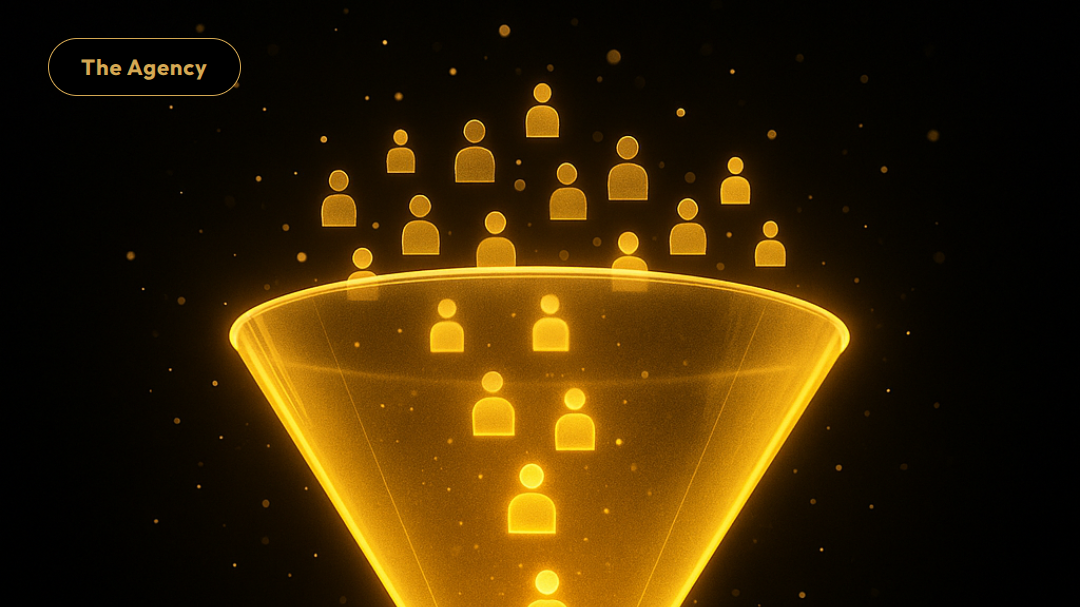
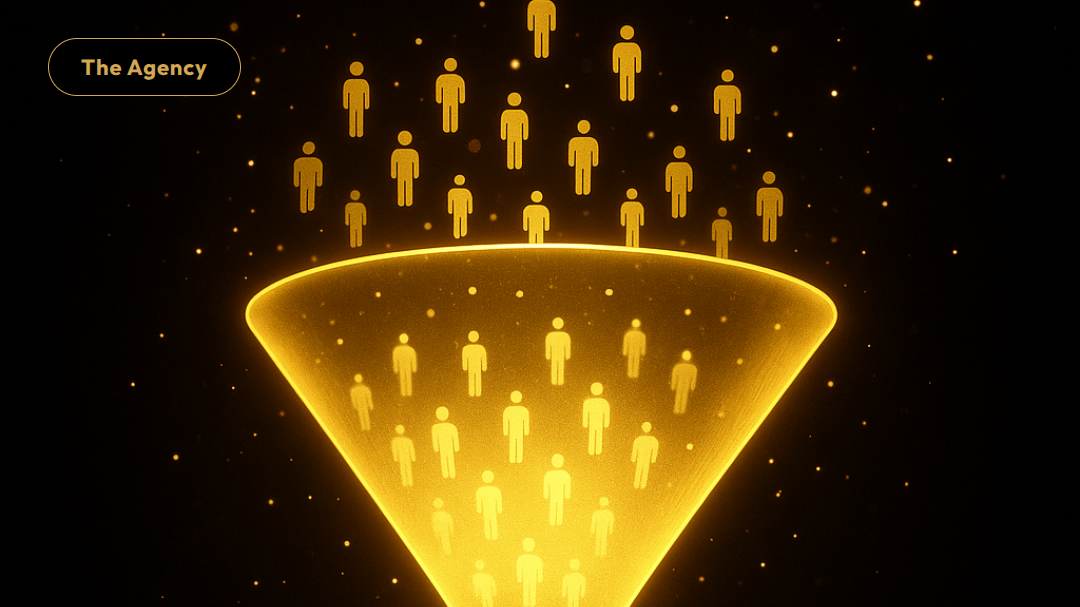
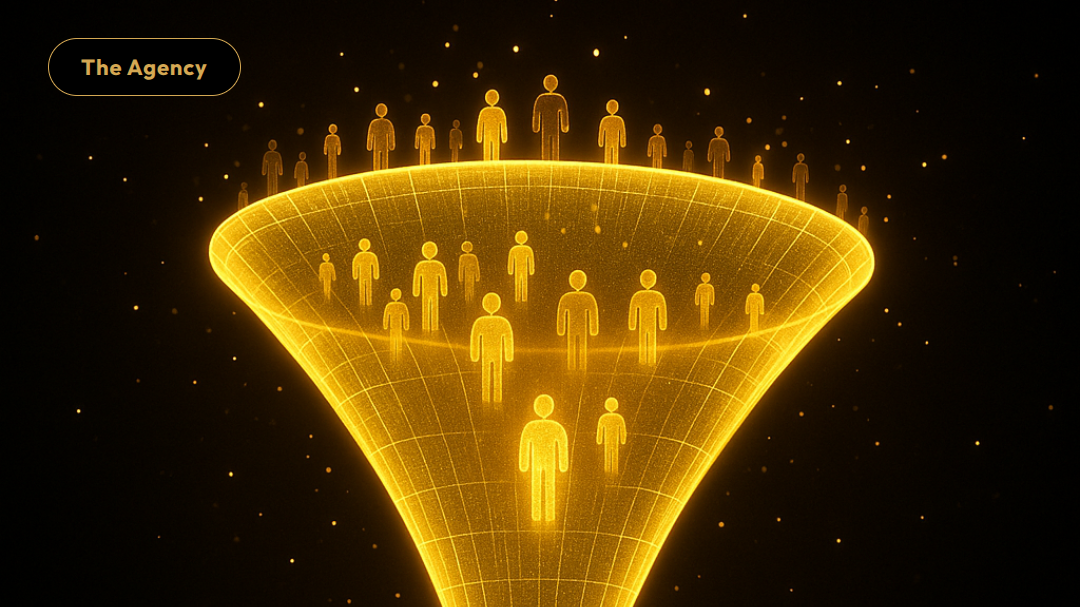
Precision-based AI lead generation challenges this assumption directly. By using intelligent systems to qualify prospects before they ever enter the pipeline, businesses are discovering that a smaller number of well-matched leads consistently outperforms a larger number of poorly matched ones. The shift in thinking is straightforward. The impact on revenue, however, is anything but small.
What Precision Actually Means in AI Lead Generation
Precision in AI lead generation does not mean being overly cautious or limiting your reach unnecessarily. It means being intentional about who you target, when you target them and what you say when you do. It means using data and intelligence to ensure that every outreach effort is grounded in genuine relevance rather than hopeful volume.
In practical terms, precision-based AI lead generation works by analysing multiple layers of information simultaneously. Intent data reveals which businesses or individuals are actively researching solutions in your category. Behavioural signals indicate where a prospect is in their buying journey. Firmographic filters ensure you are targeting companies that are the right size, industry and structure to benefit from what you offer. Engagement patterns show which contacts are genuinely interested versus which have gone cold.
AI agents then use this information to generate a qualified shortlist of prospects, rather than an exhaustive database of possibilities. Each contact on that shortlist has been assessed and scored before a single outreach message is sent. The sales team receives leads that have already been vetted, which means conversations start from a position of relevance rather than cold introduction.
This is a meaningfully different experience for both the business doing the outreach and the prospect receiving it. Personalised, timely and relevant contact lands differently than bulk communication. It builds credibility from the first touch rather than eroding it.
How AI Agents Are Changing the Outreach Process
One of the most significant developments in AI marketing over the past twelve months has been the growing role of AI agents in managing lead generation workflows end to end. These are not simple automation tools that send pre-written messages on a schedule. They are intelligent systems capable of making decisions, adapting to responses and carrying out multi-step tasks without requiring constant human oversight.
In a precision-led lead generation model, AI agents take responsibility for the most time-intensive parts of the prospecting process. They research prospects, identify the most relevant angle for outreach, draft personalised messages, monitor responses, follow up appropriately and update records in the CRM. They do this continuously, across multiple channels, at a pace no human team could sustain.
The result is a prospecting engine that never sleeps and never loses focus. While your sales team is in meetings, handling existing client work or simply not working, AI agents are identifying new opportunities, initiating conversations and keeping warm prospects engaged. The pipeline does not pause when the working day ends.
Critically, this capacity does not come at the expense of quality. Because AI agents are operating within a precision framework, every action they take is guided by the same qualifying criteria that would apply if a senior member of your team were doing the research manually. The output is not more leads. It is better leads, delivered consistently and without the bottlenecks that human-only processes inevitably create.
Revenue Impact: Why Quality Leads Outperform Quantity
The business case for precision over volume comes down to a simple truth: revenue is generated by closed deals, not by lead counts. A lead that is poorly matched to your offer, not ready to buy or simply unaware of the problem your product solves is not an opportunity. It is a distraction.
When businesses make the transition to precision-based AI lead generation, one of the first things they notice is a change in how their sales teams feel about their pipeline. Rather than wading through a long list of contacts to find the handful worth pursuing, sales representatives find themselves with a manageable set of well-qualified prospects who have already demonstrated some level of readiness or relevance. Conversations become more productive. Proposals land better. Close rates improve.
This improvement in pipeline quality has a compounding effect on revenue. Shorter sales cycles mean deals close faster, which improves cash flow. Higher conversion rates mean more revenue from the same level of sales activity. Better-matched clients tend to stay longer and spend more, improving lifetime value. The upstream decision to prioritise precision creates downstream benefits that accumulate over time.
For businesses looking to grow sustainably rather than simply grow quickly, precision-based AI lead generation offers something volume-first models never could: a pipeline that produces consistent, predictable revenue rather than unpredictable spikes driven by campaign activity.
Integrating Precision AI Into Your Marketing Strategy
Making the shift from volume to precision is not simply a matter of switching tools or platforms. It requires a clear strategic framework that defines who your ideal prospects are, what signals indicate readiness to buy and how AI agents should prioritise and approach different segments of your target audience.
This is where many businesses find the transition more challenging than expected. The tools for precision AI lead generation are powerful, but they require thoughtful configuration to deliver results. Without a clear ideal client profile, even the most sophisticated AI system will struggle to identify the right prospects. Without defined qualification criteria, leads will still enter the pipeline at the wrong stage. Without coherent messaging frameworks, even well-targeted outreach will underperform.
The businesses seeing the strongest results from AI lead generation in 2026 are those that have invested in building this strategic foundation before deploying the technology. They have taken the time to understand their best existing clients, identify what those clients have in common and use those patterns to define the targeting criteria their AI agents will work from.
If you are considering how to apply this approach to your own business, exploring a tailored AI lead generation strategy for your business is a practical starting point. A structured strategy ensures that precision targeting is built into the foundation of your lead generation model from the outset, rather than retrofitted after the fact.
The Future of AI Lead Generation Is Already Here
The conversation about AI lead generation in July 2026 is no longer theoretical. Businesses across sectors are actively using AI agents to run precision prospecting campaigns, qualify leads autonomously and feed sales teams with a steady stream of well-matched opportunities. The results are visible in pipelines, conversion rates and revenue figures for the companies that have committed to this approach.
What is becoming increasingly clear is that the businesses thriving with AI lead generation are not those with the largest outreach budgets or the highest send volumes. They are the ones that have understood what lead generation is actually supposed to do, which is generate revenue, not just activity, and have built their AI marketing strategy around that outcome.
Precision over volume is not a compromise. It is a competitive advantage. As AI agents become more capable and more widely adopted, the gap between businesses using them strategically and those using them simply to automate volume will widen. The time to build a precision-led AI lead generation model is now, while the advantage is still meaningful and the foundation can be laid thoughtfully.
We believe the businesses that win the next phase of AI-driven growth will be those that resisted the temptation to measure success in lead counts and chose instead to measure it in revenue outcomes. That shift in thinking, supported by the right AI tools and strategy, is what separates sustainable growth from expensive noise.
Get your business scored out of 10 and your three fastest moves
Get my free Company Report 30 seconds, free. Mapped to your numbers.Frequently asked questions
What is precision-based AI lead generation?
Precision-based AI lead generation uses intelligent agents to identify, qualify and prioritise prospects most likely to convert, rather than simply generating the highest possible volume of leads. It combines behavioural signals, intent data and automated scoring to ensure your sales team focuses effort where it matters most. The result is a leaner, more efficient pipeline with higher conversion rates and better revenue outcomes.
How does AI lead generation improve sales conversion rates?
AI lead generation improves conversion by ensuring leads are pre-qualified before they ever reach a sales representative. Intelligent agents analyse intent signals, firmographic data and engagement patterns to rank prospects by readiness to buy. This means sales teams spend less time chasing cold contacts and more time closing warm, well-matched opportunities.
Is AI lead generation suitable for small and medium businesses?
Yes, AI lead generation is increasingly accessible to businesses of all sizes, not just large enterprises. Many AI marketing platforms now offer tiered solutions that allow smaller teams to automate prospecting, qualification and outreach without requiring a large in-house team. The key advantage for smaller businesses is that precision targeting allows them to compete effectively without needing a high volume of leads to generate meaningful revenue.
What are AI agents and how do they support lead generation?
AI agents are autonomous software systems that can carry out multi-step tasks such as researching prospects, sending personalised outreach, following up on responses and updating CRM records without constant human input. In lead generation, they act as an always-on prospecting engine that works across time zones and channels simultaneously. Businesses using AI agents in their lead generation workflows report faster pipeline growth and reduced manual workload for their teams.
How is AI lead generation different from traditional lead generation?
Traditional lead generation typically relies on broad-based tactics such as mass email campaigns, paid ads targeting wide audiences or purchased lists of contacts. AI lead generation, by contrast, uses real-time data analysis and machine learning to identify the specific individuals or companies most likely to need your product or service right now. This shift from volume to relevance means fewer wasted resources and a much higher return on investment from outreach activity.
Can AI lead generation work alongside human sales teams?
Absolutely. The most effective AI lead generation strategies are designed to complement and empower human sales teams rather than replace them. AI handles the time-consuming work of prospecting, qualifying and nurturing early-stage leads, freeing sales representatives to focus on building relationships, handling objections and closing deals. This human-plus-AI model tends to outperform either approach used in isolation.