The shift from scale to relevance
B2B outbound in 2024 was about volume. Blast 1,000 emails, hope 2% reply.
In 2026, volume is dead. Relevance is everything.
The change happened because AI made research free. What took 8 minutes of manual work per lead now takes 60 seconds of machine work per 15 leads. The economics flipped.
If you can research every lead's recent news, hiring activity, product updates, and tech stack before sending, your email is no longer cold. It is warm.
How outbound changed in June 2026
The old way (2024):
- Buy a lead list (10,000 contacts)
- Write one email template
- Blast 10,000 copies with name swaps
- Response rate: 2-4%
- Sales cycle: 6-12 months to close from first email
- Cost per lead: $0.50; cost per closed deal: $25,000+
The new way (2026):
- Identify 200-500 high-fit accounts (not random leads)
- Research each account (AI pulls: funding news, leadership hires, product launches, tech stack, recent keywords on their site)
- Write 10 unique email variations triggered by research insights
- Send personalised emails referencing specific recent events at each company
- Response rate: 18-25%
- Sales cycle: 8-16 weeks from first email to close
- Cost per lead: $20 (including AI research + salesperson time); cost per closed deal: $4,200
The leverage: 5.9x ROI improvement.
What triggers a personalised email now
An AI research agent looking at Company X finds:
- They hired a new VP of Sales 3 weeks ago
- Their Series B funding was announced 2 weeks ago (raised £18M)
- They launched a new product feature that competes with your feature set
- Their tech stack is missing a critical integration point you solve for
- Their CEO recently published an article about growth challenges you address
Any one of these is a trigger. A personal email mentioning the VP hire by name, congratulating the funding, and showing how your solution plugs the integration gap will get a response.
That email takes 60 seconds to research and 3 minutes to write. It reads as if you spent 30 minutes on it.
The data on event-triggered outbound
Research from Signals (100,000 B2B emails tracked over 8 weeks) shows:
- Event-triggered emails (mentioning a specific recent company news item): 22% open rate, 18% click rate, 8% reply rate
- Generic personalised emails (name + company name only): 14% open rate, 6% click rate, 2% reply rate
- Blast templates: 8% open rate, 2% click rate, 0.4% reply rate
The difference is context. When a prospect reads "Congratulations on your Series B - noticed you're growing the London team," they know you did research. They are more likely to engage.
When they read "Hi [FirstName], I noticed you work at [Company]," they know it's automated. They delete it.
The tools that make this possible
You now need:
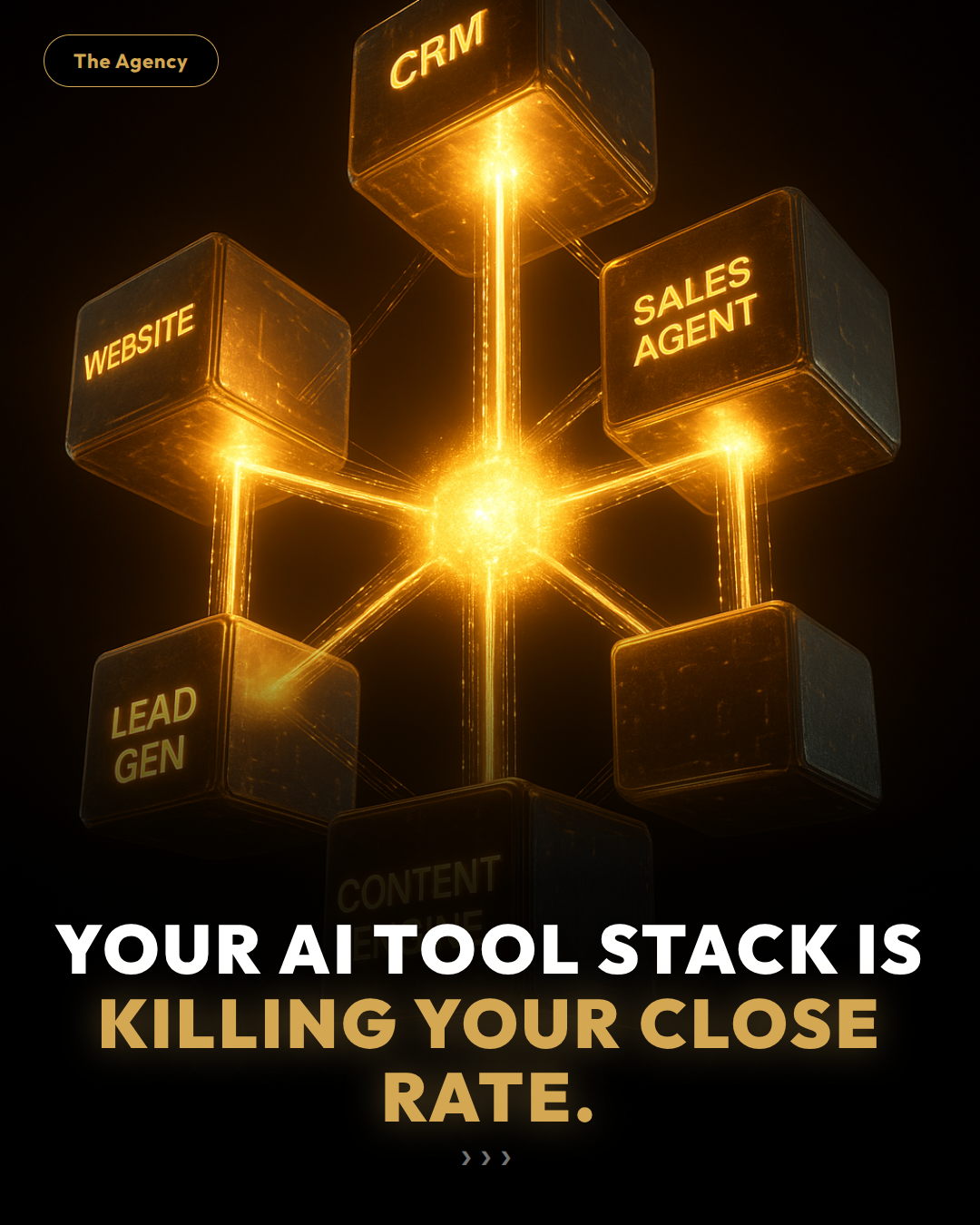
- Lead research engine (AI agent that reads news, LinkedIn, job boards, tech stack databases, company websites)
- Event detection (rule-based or AI-powered triggers: "New VP Sales hire", "Series A/B funding", "new product launch")
- Personalised email generation (AI prompt that writes unique copy per trigger + per lead)
- Outbound platform (Instantly, Lemlist, Airbound - any that support variable personalisation)
The entire stack costs $200-500/month. The leverage is not in the tools; it is in the discipline of personalised research before outbound.
What kills outbound in 2026
- Sending blast emails with name swaps (looks obvious, gets no response)
- Generic personalisation ("I saw you're in marketing" - everyone is)
- No trigger or event hook (why now? Why this person?)
- Weak subject lines (still using date-based subjects like "Quick question" in 2026? Delete.)
- Not reading the prospect's recent activity before the first email
The winning formula
- Pick 10-20 high-fit account types (your ideal customer profile)
- Research 500-1,000 contacts at those types of companies
- For each prospect, find ONE triggering event or insight (recent news, product gap, tech gap, leadership change)
- Write one email per prospect that mentions that specific trigger
- Send the email within 48 hours of the trigger (while the company news is still fresh)
- Follow up with 3-4 sequences (spaced 5-7 days apart) if no reply
B2B outbound is no longer a numbers game. It is a precision game.
The businesses winning in 2026 are not sending more emails. They are sending fewer, more relevant, better-researched emails.
The win rate is 5x higher. The cost is 5x lower. The sales cycle is 3-4x shorter.
That is the shift that happened this quarter.